Impellor Group

Turning Expertise into Growth

Call 877.358.8413


  • Welcome
  • For Accounting Firms
    • Client Advisory Capability Lab
    • Constructive Client Conversations
    • Proposal Mastery
    • Rainmaker Mentor
    • Speaking
  • About
  • Contact
  • Insights

Civil Engineering Firms Have Plenty of Work. The Real Strain Is Who’s Ready to Lead Clients Next.

January 13, 2026 by Jim Rogers

Work is plentiful. Client-ready leaders are not.

Across the civil engineering industry, work is not the problem.

Backlogs remain strong. Public and private clients continue to invest in construction. Most firms are busy, and many are stretched.

At the same time, another force is accelerating.

Partners and principals are retiring faster than they can be replaced.

That combination is creating a strain that does not show up in utilization reports — it shows up in how few people are truly ready to lead clients.

The Clock Is Moving Faster Than Firms Admit

Many civil engineering firms were built on a deep bench of long-tenured principals.

That bench is thinning.

Retirements that once felt gradual are now happening in clusters. Institutional knowledge is walking out the door. Client relationships that took decades to build are suddenly exposed.

The uncomfortable truth is this: In many firms, there are fewer successors than successors-in-title.

The Pressure Has Shifted Upward—and Stayed There

As the bench thins, pressure concentrates.

Principals are still selling. Still managing key client relationships. Still stepping in when projects drift off course. Still resolving scope and fee issues late in the game.

They are doing this not because they want to, but because they don’t yet trust enough people to do it without backup.

As firms flatten, more responsibility flows upward. When something feels risky, it lands on a principal’s desk.

This is not a lack of effort — it is a lack of client-ready leverage.

What the Industry Data Shows

Industry reporting from ENR and Deltek reinforces this pattern.

While civil engineering backlogs remain strong, firms continue to cite experience depth and project leadership capacity as major operational risks. The data points in a consistent direction: firms are not struggling to find projects.

They are struggling to field enough professionals who are prepared to lead clients, manage scope, and exercise judgment independently.

As senior leaders retire, that gap becomes more visible—and more dangerous.

Where Profit Quietly Erodes

Margins rarely disappear because of technical mistakes — they erode earlier.

  • They erode when scope is unclear.
  • When expectations go unspoken.
  • When client signals are missed.
  • When uncomfortable conversations are delayed.

When senior leaders step in late to rescue a situation, the firm absorbs the cost. The project may recover. The relationship may be saved. The write-off still happens.

This pattern repeats quietly, especially during leadership transitions.

The Client-Readiness Gap in the Next Generation

Most firms have no shortage of smart engineers.

What they lack is enough people who are ready to lead clients at the executive level.

  • Ready to run meetings without backup.
  • Ready to ask difficult questions early.
  • Ready to explain value, not just deliver projects.
  • Ready to represent the firm when the conversation gets uncomfortable.

These are not innate traits. They are learned capabilities.

When they are concentrated at the top—and the top is retiring—the firm becomes exposed.

Why Traditional Training Isn’t Closing the Gap

Many owners sense this problem and respond with training.

Workshops. Seminars. Speaker series. Online courses.

These efforts are well intentioned — they are rarely sufficient.

Training transfers knowledge; it does not reliably install behavior.

Client leadership requires practice, judgment, and repetition in real situations. Most professionals never get that deliberately. They are expected to “pick it up over time.”

That informal approach worked when timelines were long and benches were deep.

It no longer does.

Capability Building Is the Owner-Level Solution

The firms navigating this transition best are doing something different.

  • They are treating client-facing capability as infrastructure.
  • They identify the specific conversations where risk and value are created.
  • They teach simple, shared frameworks for handling them.
  • They let people practice before the stakes are high.
  • They reinforce those behaviors inside real projects.

The goal is not to turn engineers into salespeople. The goal is to make client leadership repeatable—and transferable—before senior leaders exit.

As capability spreads, reliance on a few individuals declines.

That is how leverage is rebuilt.

What the Strongest Firms Will Look Like

The strongest civil engineering firms will not just be busy. They will be resilient through transition.

  • Clients will trust more than one or two names.
  • Projects will rely less on rescue.
  • Succession will feel earned, not rushed.
  • Retirements will be planned, not feared.

These firms will feel calmer, even as leadership changes.

Not because the work is easier, but because preparedness is deeper.

A Structural Choice for Owners

Civil engineering is not in crisis.

But ownership transitions are accelerating, and the old development model is under strain.

Firms that invest now in building client-ready capability will adapt.

Firms that rely on informal learning and heroic principals will struggle as retirements accelerate.

Only one of those paths protects value.

And only one scales beyond the current generation.

To learn more about how to build client-facing capabilities that stick, call (877) 358-8413 or email info@sellerdoeracademy.com


Filed Under: Business Development, Communication, Engineering, Leadership, Seller-Doer, Uncategorized Tagged With: A/E/C Industry, Civil Engineering, Client Relationships, Engineering Firms, Firm Leverage, Leadership Development, Professional Services Firms, seller-doer, Succession Planning

In Defense of the Value of LinkedIn for Seller-Doers

March 27, 2025 by Jim Rogers

During a recent Seller-Doer Activation training session about LinkedIn and how to use it effectively for business development, several participants questioned its value. Their skepticism derives from their being besieged by talent acquisition departments and headhunters. They perceived it as being of low value to them.

So, are they right? Has LinkedIn lost value for business development for A/E/C professionals? I would say resoundingly no. LinkedIn is still a valuable business development tool for A/E/C professionals—if used strategically. While it’s true that LinkedIn has become saturated with recruiters, job seekers, and a fair share of low-value content, it remains a powerful platform for seller-doers to build relationships, establish expertise, and stay visible to potential clients.

Why LinkedIn Still Matters for A/E/C Business Development

Here are five compelling reasons A/E/C professionals should have a LinkedIn presence and periodic engagement on the platform, whether seller-doers or not.

  1. Networking & Relationship Building – LinkedIn allows professionals to connect with potential clients, partners, and industry influencers. This is crucial in the A/E/C industry, where relationships are paramount. Seller-doers can use LinkedIn to nurture existing relationships and build new ones, leading to business opportunities.
  2. Demonstrating Thought Leadership – Regularly posting about industry trends, project successes, and insights into engineering challenges can position a seller-doer as an expert. This builds credibility with potential clients who may later need their expertise. Even if you don’t write the posts or articles yourself, you can simply reshare information of value—a practice called content curation.
  3. Keeping Up with Industry Trends & Client Movements – LinkedIn is where professionals announce promotions, job changes, and firm mergers—useful intel for strategic networking, reconnecting with past clients, and staying abreast of your competition.
  4. Referrals & Introductions – Unlike cold calls, a well-maintained LinkedIn presence allows for warm introductions and referrals between industry contacts.
  5. Event & Conference Engagement – Many industry conferences and networking events have active LinkedIn discussions before and after the event. Engaging in these conversations can strengthen relationships with key decision-makers.

The Problem: Passive Use vs. Active Engagement

Most A/E/C professionals underutilize LinkedIn. They won’t see much value if they only have a profile but never engage. But those who post relevant insights, comment on industry discussions, and connect with key people see measurable benefits.

Rather than see LinkedIn as a lead-generation platform, treat it as a relationship maintenance tool. LinkedIn becomes much more useful if you use it to:

  • Follow clients and industry leaders
  • Share relevant technical insights
  • Engage with posts from existing contacts
  • Stay informed about project and personnel changes

The bottom line: LinkedIn can be a nuisance if used poorly, but it remains a valuable business development tool for seller-doers who engage strategically. If you don’t use it, you may be ceding visibility to competitors who do.

Filed Under: Architecture, Business Development, Engineering, Networking, Seller-Doer

Four Ways Effective Listening Helps With Business Development in Professional Services

April 17, 2023 by Jim Rogers


Effective listening skills 

Effective listening skills are crucial for any consultant looking to provide exceptional service and build a successful practice. When consultants actively listen to their clients, they can better understand their needs and tailor their services to meet those needs. This blog post will explore how effective listening skills help with consultative selling.

1. Build Rapport

Building rapport with the client is the first step in any successful consulting engagement. When a consultant actively listens to their client, they can build rapport by showing genuine interest in what the client says. Active listening includes asking open-ended questions and following up on the client’s responses. By doing so, the consultant can build a relationship with the client, increasing their chances of being hired for future projects.

2. Identify Needs

One of the most critical components of effective listening is identifying the client’s needs. When a consultant listens actively, they can pick up on the client’s pain points and offer solutions to those problems. Understanding the client’s needs can help the consultant position their services as the solution. This can lead to a more targeted consulting engagement and a higher chance of delivering value to the client.

3. Overcome Objections

Every consulting engagement will have complaints from the client, and effective listening skills can help overcome those objections. When a consultant actively listens to the client’s complaints, they can address them directly and offer solutions to alleviate any client’s concerns. The consultant can build trust with the client and increase their chances of delivering successful outcomes.

4. Improve Client Experience

Active listening doesn’t stop after the consulting engagement is completed. When consultants listen to their clients, they can gather feedback and use it to improve their services. Client feedback can also help consultants identify new opportunities for delivering value. By actively listening to their clients, consultants can create a better overall experience and increase client loyalty.

In conclusion, effective listening skills are crucial for any consultant looking to provide exceptional service and build a successful practice. By actively listening to clients, consultants can build rapport, identify needs, overcome objections, and improve the client experience. If you’re a consultant looking to strengthen your skills, focusing on active listening is an excellent place to start.

Filed Under: Business Development, Communication, Engineering, Networking, Professional Services Marketing, Sales, Seller-Doer

Level the Playing Field with Strategic Alliances

February 15, 2023 by Jim Rogers


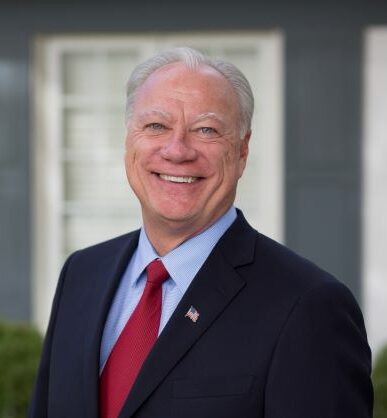
Photo of Steve Osborn

Steve Osborn, P.E.
Founding Principal, CE Solutions

One of the 44 executives I interviewed for the book, Steve Osborn, Founding Principal at CE Solutions, Inc., struck out years ago to create his own firm. In the early years, he faced some limitations deriving from the size of his startup. He shared how he overcame that obstacle and landed a dream client by creating a joint venture with several small- and mid-sized firms. This post is an excerpt from my interview with Steve. 

Jim: Can you tell me about a pursuit that you had – whether it was a dream project or client – and what you did to win it?

Steve Osborn: Sure. The first one that comes to mind was when CE Solutions was probably seven or eight years old – so we were a lot smaller and probably had five or six people. We had a relationship with someone who was a project manager for the city because when I worked at a larger firm previously, we did a big project with this individual. Indianapolis was getting ready to expand the existing convention center, which was a fairly significant project – around $275 million. This gentleman I’m referring to was assigned the project manager role and led the selection process. He worked with advisory councils of notable city officials and outside consultants that were assigned by the mayor and the governor.

It was a pretty interesting and high-profile group of folks. Through SMPS and other activities over the years, I developed relationships with quite a few of those individuals. It just kind of happened that they were the ones involved with this process – but I had a really good relationship with the individual who was leading the selection process.

There was no way CE Solutions would get selected by themselves to provide structural engineering on a $275 million project. We just didn’t have the portfolio developed yet – didn’t have enough staffing capacity to do it. However, it was a project that fit really well into our core mantra of making a difference in the communities where we live and work – so we were looking to get involved somehow.

The governor, at the time, was really promoting Buy Indiana – wanting to keep it local by helping firms that wouldn’t ordinarily get projects like that and find creative ways to get them involved. I put the old thinking cap on and started kicking it around with some of my fellow clients and folks that were also pursuing this architecturally – and came up with the idea of putting together a joint venture with a couple of our competitors of like size and mind. I reached out to other competing structural engineering firms of similar size and a geotechnical engineering firm, and the four of us put together a joint venture called Structural Alliance.

I laid the idea out in front of the individual who was spearheading the selection process, and he said, “You know, this looks really interesting. You’re making my job really easy. This is exactly what the governor is talking about – helping firms like yours and others who wouldn’t get the job on their own and creating a way to maybe be involved.” He said, “I can’t guarantee anything. There’s a lot of people involved in the selection process.” All I was looking for was, “Does this make sense? Is this something we should pursue before we go and invest a lot of money in the formation process and everything else?” He gave me the encouragement to go ahead and do it without any guarantees, and we knew we were at risk.

Lo and behold, we were selected. We didn’t get the master structural contract, which would have been a really long shot for us – but we had people pulling for us for that role. In the end, they said even though we were all established firms, we hadn’t worked together as a joint venture, and this would be our first project, and it’s a fast-track project. It’s a high-profile project. They didn’t want to put us out there and stretch us too far – but they gave us an associate role, which they really didn’t have to do. It was an extraordinary achievement, in my opinion, and a huge success. It was nice to have the JV partners all sitting in the room that day when the selection happened, and it was announced publicly. It was a great day.

Filed Under: Architecture, Business Development, Engineering, Leadership, Networking, Seller-Doer

The Importance of Networking

February 8, 2023 by Jim Rogers

Joe Viscuso, SVP and Director of Strategic Growth

One of the 44 executives I interviewed for the book, Joe Viscuso, SVP and Director of Strategic Growth at Pennoni, discussed starting his own company early in his career and how networking positively impacted his success. This post is an excerpt from my interview with Joe. 

Joe: After I left college in ’73, I went to grad school and took night classes. Six years later, once I had completed my graduate degree and had my PE license, I started my own company – so I was relatively young at the time.

One of my early decisions was that I wanted my own business. For six or nine months, I left consulting and worked for a fast food restaurant called Gino’s, which at the time had even more restaurants than McDonald’s.

The economy was not in good shape. I saw that they were trying to shed potential sites rather than build restaurants. I decided I would form my own business – and it was right in the middle of a recession, which was probably even crazier.

Many of my peers were members of ASCE, ASME, and several other trade organizations — and to me, as a business developer, that never made sense. How would I get business if I was in a room full of people just like me, looking for the same kind of business?

I decided that I needed to take another course of action to develop my business. I joined the Chamber of Commerce and the Economic Development Council — business associations where people might be looking for people like me. That early career decision turned out to be one of my best because I was in a room full of like-minded people who, when you peel the onion,  are all looking for business and to make connections. Rotary was another great one for me.

It’s like going to a high school dance. It’s tough to ask that first girl to dance, right? It felt similar because I was the rookie in the room. A lot of folks were older and obviously more seasoned than me — I was a little intimidated. It took me a year or two to realize that age wasn’t a factor because we all shared a common element — everyone was looking to grow their business.

Something that can be frustrating is not having instantaneous results. But then six months later, “Joe Brown” would call me and say, “Hey, I met you at a Rotary luncheon. My brother is building a building. He’s going to need some civil engineering services, and I thought of you.” Then all of a sudden, the connections start to happen. I learned that you don’t necessarily get instantaneous gratification.

Anytime I joined an organization, I usually made it through the ranks. I became very involved. I have been on executive committees and eventually became the board chair of quite a few organizations.

Filed Under: Architecture, Business Development, Engineering, Networking, Seller-Doer

Participating In Professional Societies

February 1, 2023 by Jim Rogers

Photo of Steve Osborn

Steve Osborn, P.E.
Founding Principal,
CE Solution

One of the 44 executives I interviewed for the book, Steve Osborn, Founding Principal at CE Solutions, Inc., discussed his involvement in professional organizations. He credits these organizations for attributing to his professional development. This post is an excerpt from my interview with Steve. 

Jim: Thinking back to the early part of your career, was there something that you were intentional about in terms of developing skills that later helped you in sales, business development, and marketing?

Steve Osborn: The first company I worked for after I got out of school was very supportive of my participation in ASCE. I was pleased that they supported that. A lot of it was on my own time, but a lot of it was on company time. I learned so much from a leadership standpoint – how to run meetings, communicate, manage, and organize events. I went through all the different leadership roles up to the president and got to experience it from each position, including committee activity.

As my career developed, I reached a point where I was with a different firm, and my responsibilities included managing and overseeing the production of the vertical market. The company I went to was primarily focused on the horizontal or transportation business, and the owner wanted to expand their business into the vertical or building side of things. I came on board to do that. All of sudden, my role changed. I was responsible for finding business, as well as helping grow and manage a division of business for a firm. I had no formal business education – I have a degree in civil engineering.

So I looked for ways to get smart quickly and for mentors. Through ASCE, I got a chance to build relationships with some of the business owners of civil engineering firms around the city. I took advantage of those relationships. I met with them, asked questions, and considered them mentors. During that time, I got introduced to an organization called SMPS (Society for Marketing Professional Services) and immediately saw that it would be a target-rich environment for me as a consultant. There were client opportunities and relationships within that organization.

There was also great educational programming for exactly what I needed, which was marketing professional services. I got involved in SMPS and went through the leadership structure. I’m still active today and also an SMPS Fellow. I go to their national conference every year. It helps me build the business. I learned a lot about how to do business development and marketing in our profession and also how to build a network. It was really important to me at the time of starting my own business because I built it around the knowledge and relationships that I developed through the SMPS organization. I have grown my business by continuing to stay active in that organization – learning and gaining knowledge.

We’re also a member of ACEC and have been for years – ever since I started the business. The difference is ACEC is a firm membership or company membership, whereas SMPS is an individual membership. I was active in ACEC before I started my firm, too, but I really needed to build a client network, and I didn’t see that in ACEC as quickly as I did through SMPS.

Jim: At what point in someone’s career do you think it might be of value to join SMPS?

Steve Osborn: It makes sense for anyone who has a responsibility to develop and maintain client relationships to be a participant in SMPS meetings and learn their best practice in that regard. If you have marketing professionals in your organization that are active members of SMPS and have that body of knowledge close at hand, there can be internal training without the engineers having to go to those meetings. But every once in a while, it certainly doesn’t hurt to expose them to that sort of thing, especially if there’s a good webinar or session on a particular subject about client relationship management – even technical writing.

We talk about SMPS a lot in our organization, and our marketing professionals share knowledge internally. Our senior-level folks are the ones that have a lot more front-line client relationship responsibility – but every once in a while, we’ll take one of our young people to a meeting. We encourage them to participate as well. They aren’t necessarily members, but it doesn’t prevent them from going to a meeting here and there.

Filed Under: Architecture, Business Development, Engineering, Leadership, Networking, Seller-Doer

Creating a Service-Driven Culture

January 25, 2023 by Jim Rogers

Steve Osborn, P.E. Founding Principal, CE Solutions

One of the 44 executives I interviewed for the book, Steve Osborn, Founding Principal at CE Solutions, Inc., discussed how he has created and continued to sustain a service-driven culture within his company. This post is an excerpt from my interview with Steve. 


Jim: What do you do within your firm to instill your values within your employees? 

Steve Osborn: I’ve been lucky because I started the firm from scratch by myself and have been able to grow it organically. The hiring process is probably the most important thing we do since we’re a service provider. It’s important to have that culture — that foundational philosophy and those principles instilled in people when they come on board here. Our recruiting process is very intentional.

During the interview process, we talk a lot about what our firm is like, what’s important to us, what our foundational principles are, what our brand attributes are, and how we deliver service. We can tell by listening to people if they align with us. We look for the character values and attributes that we want. We’ve had really good success with that.

We create a lot of opportunities for those individuals to grow quickly. We involve them in client contact and give them all the responsibilities of project management upfront. The only thing that they don’t have is experience — but they have all of the other qualities that we’re looking for in a strong project manager. So we allow them to manage their own projects under the supervision of an experienced senior professional.

They can then be responsible for their work. We develop and prepare them. By the time they’re ready to take their PE exam, they’re very comfortable, prepared, and have a high success rate of passage. Then they get their own projects and fly solo after that.

Our clients have complimented us on that approach. They think it’s pretty unique that we give young individuals that many opportunities at an early age. They enjoy working with them as well. The young professionals are the point of contact, but they know they’ve got the senior guy next to them. Our young people get excited about that opportunity.

Filed Under: Architecture, Business Development, Engineering, Keep Clients, Leadership, Seller-Doer

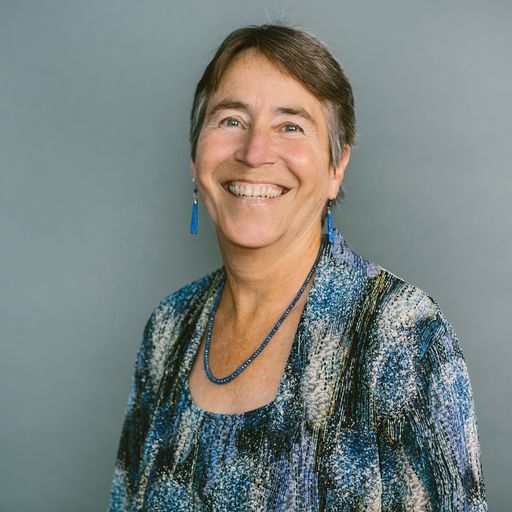
Perseverance Builds Confidence

January 18, 2023 by Jim Rogers

One of the 44 executives I interviewed for the book, Laura Wernick, AIA of HMFH Architects in Boston, shared her experience building confidence as a seller-doer. This post is an excerpt from my interview with Laura.


Jim Rogers: The middle game of business development is the hardest part of this, in my opinion. If you can think of a time when you first took ownership of that middle phase and led a potential client or a potential project through to fruition – how did you learn how to do that?

Laura Wernick: I don’t think my path was a particularly easy one. I can remember very clearly talking to a potential client and then feeling very crushed when we weren’t shortlisted for the project. But maybe what I did is a useful tip for others. I followed up and said, “Geez, you know, I was disappointed. I was excited about this project.” And I remember very clearly the person saying, “Well, Laura, you’re a nice person but you seem kind of awkward. And I wasn’t always comfortable talking with you.” Whoa, that was a tough one.

Jim Rogers: Wow. Unvarnished honesty there.

Laura Wernick: I was trying so hard – And it can take a while for many of us to be comfortable, to find ourselves, and to speak as ourselves. You’re trying so hard to be this perfect salesperson that you’re not perhaps perceived as being genuine or true to yourself. It was a bit of slow learning perhaps. It takes a little while and maybe some maturity for many of us to become ourselves.

It’s hard to be a good marketer if you’re not comfortable in your skin and comfortable with who you are. I think that’s something that people can learn – And it takes time. It takes encouragement, trial and error, and learning what your natural voice is.

Jim Rogers: Trial and error yield wisdom and confidence.

Laura Wernick: Absolutely.

Jim Rogers: I think it takes care of itself over time. You can’t just tell somebody, “Don’t be nervous when you’re talking” – It doesn’t work.

Laura Wernick: I believe the key to all business development is being persistent over time, trying to learn from your mistakes, and sticking with it. That’s always the hardest thing because often the gratification is long delayed. When you finally make that sale and close a deal, it’s a wonderful feeling, but there are a lot of dead ends and sowing a lot of seeds before that final contact can be made sometimes. And I think that persistence and sticking to it is really hard.

Jim Rogers: Beyond just building the gravitas and confidence that comes with experience – Was there anything that you did intentionally to study some of the skills that you needed to acquire? Such as training or finding the right coach or mentor to help you learn and develop those skills.

Laura Wernick: I was always looking to others as role models. Fortunately, one of my partners loves doing business development, and it always helped me to talk, connect, and ask questions. I found that partner to be my greatest role model. My greatest learning technique was seeing others do it and then doing it myself over time. You become more sophisticated in how you spend your time, what works, and what doesn’t work for you. I’m very active in a range of professional organizations now, and when I see other people, I study how they reach out to people and what they are involved with. That’s been my pathway – Learning from my peers or from people who have been doing it for a while. I study their approach and what works for them – And then try to make it work for who I am.

Filed Under: Architecture, Business Development, Engineering, Leadership, Seller-Doer

The Importance of Exceptional Client Service

January 11, 2023 by Jim Rogers

One of the 44 executives I interviewed for the book, Steve Osborn, Founding Principal at CE Solutions, Inc., spent the most time talking about what it means to deliver exceptional service to clients — and how that helps you build your business. This post is an excerpt from my interview with Steve. 


Jim: Steve, you’ve been very methodical and intentional about what you do to ensure your folks deliver great client service. Could you tell me about that?

Steve Osborn: Absolutely. Happy to do that. The idea behind starting my firm 19 years ago was based on four foundational principles: strong relationships, mutual respect, integrity, and ethical practice. It’s how we operate and make decisions daily. It’s how we have grown the business and determines everything we do, from the hiring process to who we do business with – I’m very much a relationship person. I’m very interested in the business of the business, as well as the profession of structural engineering that we serve. 

As a result of being a relationship person, I’m also a very caring person, and I want to be able to take good care of the people that entrust us with their projects. I can’t over-emphasize how important real effective communication is in our business. It involves keeping our clients informed of the progress that we’re making on their projects regularly. I don’t like when our clients have to contact us and ask about the status of something. I like being proactive in keeping them informed. It’s important to me that we hire people with similar characteristics because I feel those are the kind of things that are difficult to teach someone. It’s also about doing business with people we know and trust — people who care about and respect us as well.

Jim: Can you give me an example?

Steve Osborn: Sure. We’re proactive in terms of providing regular updates on the projects. Before they ask, we give it to them. We get nice feedback and are complimented all the time about that. Clients say, “We always ask that of somebody, but we don’t always get it.”

Another good example is the level of completeness of our documents. We produce and deliver them in the timeframe that we promise. We get complimented all the time about coming to progress meetings which are intended to discuss 50% completion, and we bring documents that are 75% complete. The clients notice that. 

Another thing we’ve done is deliver projects ahead of schedule. We’ve delivered projects two to four weeks ahead of schedule — and sometimes when we’re prime, it allows them to put it on an earlier bid letting. In one case with one of our institutional clients, our project was scheduled for a bid letting towards the end of the year, so it was jammed. They had a lot of projects going on in that bid letting, so they were worried about getting good competitive pricing. We were able to deliver the project several weeks ahead of time, which put it on an earlier letting — which had less competition for projects going out. As a result of that, they felt they got better pricing.

Jim: That’s a great example of an outcome a client gets from that kind of service.

Steve Osborn: In a follow-up, even the client commented when we did that. They said that this is unheard of. They had never experienced that before with somebody, so I felt like it set us apart. It was kind of surprising that nobody has done or offered that. I remember them specifically saying, “Nobody does this. This is incredible.” It was a nice thing to hear.

I tell my staff all the time — “You never know where your opportunities will come from. Just go out there and be sincere. Be yourself. Don’t be shallow. Don’t be artificial. Don’t just go through the motions. You have to be real. You have to be who you are.” That’s why we consider those characteristics during the hiring process. We try to hire people who truly care.

Filed Under: Architecture, Business Development, Engineering, Keep Clients, Leadership, Seller-Doer

Discovering and Developing Your Public Speaking Skills

January 4, 2023 by Jim Rogers

One of the 44 executives I interviewed for the book, Laura Wernick, AIA of HMFH Architects in Boston, shared insight on the importance of public speaking and that her firm involves younger staff in presentations — even high-stakes presentations — early on. This post is an excerpt from my interview with Laura.


Jim Rogers: One of your professional strengths is public speaking to help develop business in the K-12 school market. Did that come from experience, or did you intentionally work on getting better with outside help?

Laura Wernick: Public speaking was one thing I always enjoyed doing. Even when I was nervous, I was still enjoying it. That carried me through in a lot of ways because I enjoyed going out and speaking, as well as making presentations. I also enjoyed doing interviews. As I did it more, I certainly became more comfortable with it. I learned by watching other people, including learning techniques from educators.

I have also gone through some professional training in terms of how to organize my presentations and present more effectively. That has been very helpful regarding refining techniques and understanding how I appear to others in a presentation format. I would certainly recommend getting a professional trainer, whether you’re an experienced presenter or just starting. That type of good coaching is huge.

Jim Rogers: Do you offer any formal training for your professionals?

Laura Wernick: We do have a professional coach who comes in every few years to provide some training on presentations. We’re also doing more mentoring, and this is more of a bottom-up request from our employees. We’re always taking a younger person with us whenever we go to any professional organization or community event.  It allows them to watch us and others operate while learning what types of events we’re trying to participate in. We’re trying to get people out in the marketplace on a more regular basis.

We also work very closely with a writer who will help our young people put together ideas for articles. To whatever extent is needed, he will either support or critique their writing so that we have more people producing articles for magazines. We’re encouraging people to participate more in making presentations as well.

There are several public speaking opportunities across the calendar year, so we always try to have people from the firm speak at different presentation opportunities. We always have younger people not only come to interviews with us but play roles in those interviews. We’ve found that if you’re going to be part of an interview team, you have to have a role. Their role may be small at first, but we work with them to make sure they understand their script. There are also opportunities to be an observer, but if you’re on the team, then you’re presenting. People rise to the occasion.

From personal experience, I have found that if you’re speaking about something you care about, you may stumble a bit, but your passion comes through — and showing you care deeply is one of the most important things in giving a presentation. Oftentimes, that is even more important than the actual content. We find that our younger people do very well in interviews.


Filed Under: Architecture, Business Development, Engineering, Presentation, Seller-Doer

  • Page 1
  • Page 2
  • Page 3
  • Go to Next Page »

Copyright © 2026 by Impellor Group, Inc. · (877) 358-8413